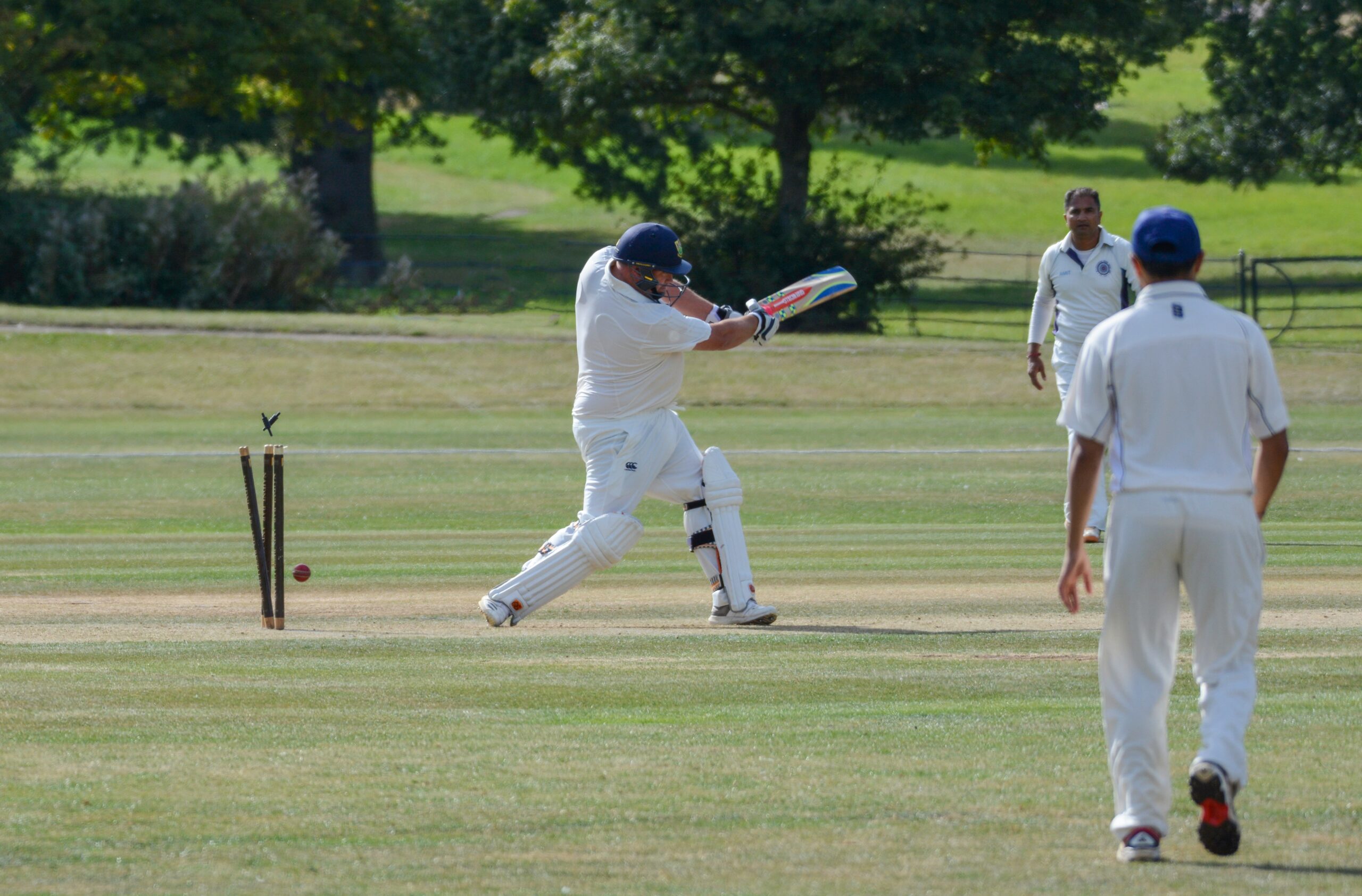

The swing shot is one of the most exciting and effective strokes in cricket. Whether you’re aiming to hit boundaries or rotate the strike, mastering the swing shot requires technique, timing, footwork, and mental focus. Unlike straightforward drives or pulls, the swing shot combines elegance with precision, allowing batsmen to manipulate the ball’s direction and pace.
In this blog, we’ll break down a step-by-step guide to perfecting the swing shot, along with tips, drills, and strategies to elevate your batting game.
Why the Swing Shot is Important
- Versatility: Works against both pace and spin bowlers.
- Scoring Opportunities: Effective for rotating the strike and hitting gaps.
- Control and Placement: Enables precise placement of the ball along the ground or aerially.
- Game-Changing: A well-executed swing shot can shift momentum in limited-overs cricket.
Step 1: The Correct Grip
- Hold the bat comfortably but firmly, ensuring wrists are flexible.
- Top Hand: Guides the shot and controls direction.
- Bottom Hand: Provides power and helps swing the bat through the line of the ball.
- Maintain a slight angle between hands to allow smooth wrist movement.
Tip: Avoid a tight grip; it can restrict fluid motion and reduce control.
Step 2: Proper Stance and Alignment
- Feet Position: Shoulder-width apart for balance.
- Knees Slightly Bent: Ensures flexibility and quick foot movement.
- Weight Distribution: Slightly on the balls of your feet for readiness to move forward or back.
- Head Position: Eyes level and focused on the ball from the bowler’s hand to the pitch.
A stable stance sets the foundation for a controlled swing and accurate shot execution.
Step 3: Footwork Essentials
- Forward Step: Step towards the line of the ball for drives or half-volleys.
- Backward Step: Adjust to short-pitched deliveries while maintaining balance.
- Lateral Movement: For wide balls, move sideways to reach the ideal hitting position.
Drill: Practice quick step movements with cones to enhance footwork agility.
Step 4: Executing the Swing Shot
- Backlift: Lift the bat smoothly behind your shoulder.
- Swing Through the Line: Bring the bat down in a straight, controlled arc towards the ball.
- Wrist Action: Keep wrists firm but flexible to guide the ball’s direction.
- Follow-Through: Extend the bat naturally after contact to maintain power and balance.
- Eye on the Ball: Track the ball from release to contact for precise timing.
Tip: Focus on timing the ball, not just hitting it hard. Power comes naturally from perfect coordination.
Step 5: Placement and Shot Variations
- Straight Drive Swing: Ideal for balls over the stumps, hitting along the ground.
- On-Drive Swing: Target gaps on the leg side for rotating strike.
- Off-Drive Swing: Perfect for balls outside off stump, directing it between fielders.
- Aerial Swing: Lift the ball over the infield for boundaries in limited-overs matches.
Practicing placement ensures you can rotate the strike efficiently while keeping risk minimal.
Step 6: Mental and Focus Boosters
- Concentration: Stay alert to line, length, and pace of the bowler.
- Visualization: Picture perfect swings before stepping onto the crease.
- Positive Mindset: Confidence allows smooth execution under pressure.
- Game Awareness: Adapt your swing based on match situation and field placement.
Step 7: Drills to Perfect the Swing Shot
- Throwdown Drills: Coaches throw balls at varied speeds to simulate match conditions.
- Batting Nets: Practice timing and placement with pace and spin bowlers.
- Shadow Batting: Perfect the swing motion without a ball to develop muscle memory.
- Cone Target Practice: Aim at marked zones in the field to enhance accuracy.
- Video Analysis: Record sessions to identify areas for improvement in technique and timing.
Step 8: Fitness and Strength for Better Swing
- Core Workouts: Planks, Russian twists, and medicine ball throws support power generation.
- Upper Body Strength: Push-ups, pull-ups, and dumbbell exercises enhance bat speed.
- Leg Strength: Squats and lunges improve footwork, balance, and explosive movement.
- Flexibility Training: Dynamic stretches and yoga ensure smooth, injury-free swings.
Learning from the Pros
- Virat Kohli: Exemplary timing and placement with compact swings.
- AB de Villiers: Innovates swing shots with improvisation and adaptability.
- Steve Smith: Uses unconventional footwork to control swing and placement.
Observing top batsmen helps young cricketers understand timing, shot selection, and adaptability for different match situations.
Conclusion
Perfecting the Swing Shot is a combination of technical mastery, physical fitness, and mental focus. By following step-by-step techniques for grip, stance, footwork, swing execution, placement, and drills, cricketers can enhance power, precision, and consistency.
Regular practice, coupled with fitness routines and mental conditioning, ensures the swing shot becomes a reliable tool in your batting arsenal. Whether it’s hitting boundaries in a T20 or rotating the strike in a Test match, a perfected swing shot creates scoring opportunities, dominates bowlers, and shifts match momentum.
With dedication, practice, and observation of professional players, any aspiring batsman can master the swing shot and transform it into a match-winning weapon.