For a long time, women’s cricket in India was seen through the lens of a few metropolitan hubs. But in recent years, regional states and smaller cities have emerged as powerful contributors to the game’s growth. Away from the traditional power centers, a quiet revolution is taking place — and it’s reshaping how talent is discovered, nurtured, and celebrated.
1. The Changing Geography of Talent
Earlier, women’s cricket pathways were largely dominated by big cities like Mumbai, Delhi, and Bengaluru. But now, states such as Himachal Pradesh, Jharkhand, Assam, and Kerala are producing technically skilled and mentally tough players.
This shift is happening because:
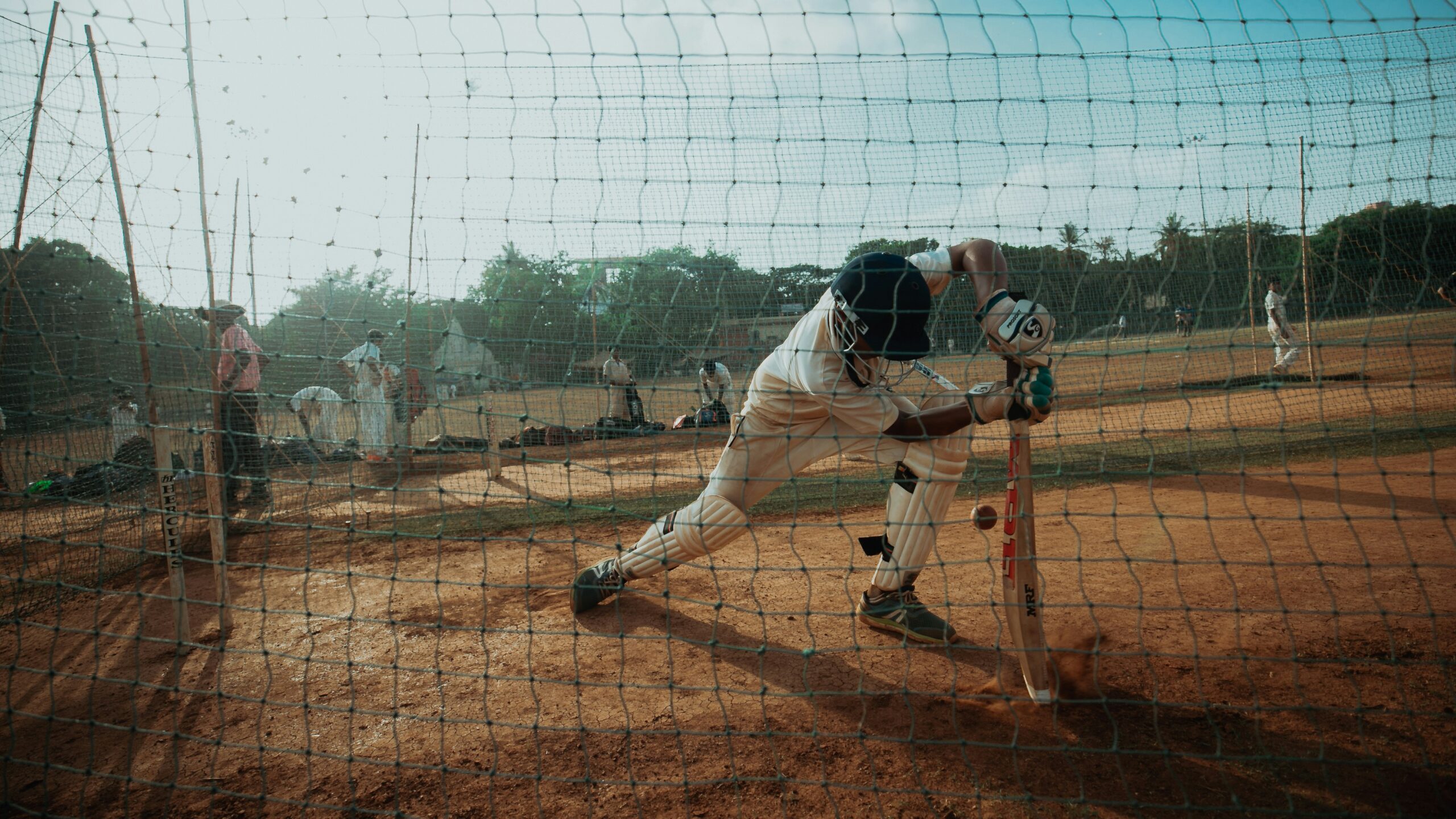
- Increased access to local academies and better grassroots training.
- Targeted investment by state cricket boards in facilities for women.
- Local tournaments offering consistent match experience.
The new generation of players from these regions is more confident, athletic, and match-aware than ever before.
2. Role of State Associations and Local Coaches
The rise of these underrepresented regions wouldn’t be possible without dedicated local coaches and associations.
- They are scouting talent early, sometimes from school tournaments or community clubs.
- Basic infrastructure like turf pitches, indoor nets, and strength training programs are becoming more common.
- Several associations are now offering stipends and scholarships, ensuring promising players can focus on cricket without financial pressure.
This ecosystem is laying the foundation for a broader, more inclusive national talent pool.
3. Breaking Stereotypes and Inspiring Young Girls
One of the biggest challenges for women in sports has always been access and perception. Regional areas often lacked role models or opportunities. But now, players from smaller towns are changing that narrative.
- When a young cricketer from a lesser-known state breaks into the domestic circuit, it inspires hundreds of others.
- Families are increasingly encouraging girls to pursue the sport seriously.
- Media coverage and social platforms are giving visibility to these journeys, creating a new wave of aspirational stories.
This cultural shift is just as important as the technical one.
4. Domestic Leagues Creating More Opportunities
Domestic competitions have become key platforms for unearthing and sharpening regional talent.
- Consistent tournament schedules give players from all states equal opportunities to compete.
- Strong performances at the domestic level often lead to India A or senior team call-ups.
- State-vs-state competition fosters healthy rivalries and pushes players to raise their game.
In many ways, domestic tournaments are democratizing women’s cricket in India.
5. Infrastructure Gaps and the Road Ahead
Despite the progress, infrastructure gaps remain a challenge.
- Not all regions have the same access to professional trainers, physiotherapists, or quality facilities.
- Travel and logistical barriers can make it hard for young players to reach tournaments.
- Sponsorship opportunities are still concentrated in bigger cities.
Addressing these gaps through targeted investment and federated development plans will ensure regional players are not just discovered but also fully supported through their journeys.
6. The Bigger Picture — A Broader Talent Pool
The expansion of women’s cricket into regional states is strengthening India’s national squad in the long term.
- More states contributing talent means stronger competition for spots, leading to higher standards overall.
- It also increases the diversity of playing styles, as different regions bring unique approaches and mindsets to the game.
- Most importantly, it makes cricket more inclusive — a sport truly representing every corner of the country.
Final Thoughts
The rise of women’s cricket from regional and underrepresented areas is one of the most promising developments in recent years. It reflects not just changing opportunities, but changing mindsets. As more young girls pick up a bat or ball in smaller towns, the future of the women’s game looks brighter than ever.
For fans who want to track stories of emerging talents, local tournaments, and behind-the-scenes progress, Cricmatch and Cricmatch 247 offer insightful updates and coverage, shining a light on the game’s evolving grassroots movement.